Why Signing a “Request for Brokerage Services” in Israel Is Essential When Viewing a Property
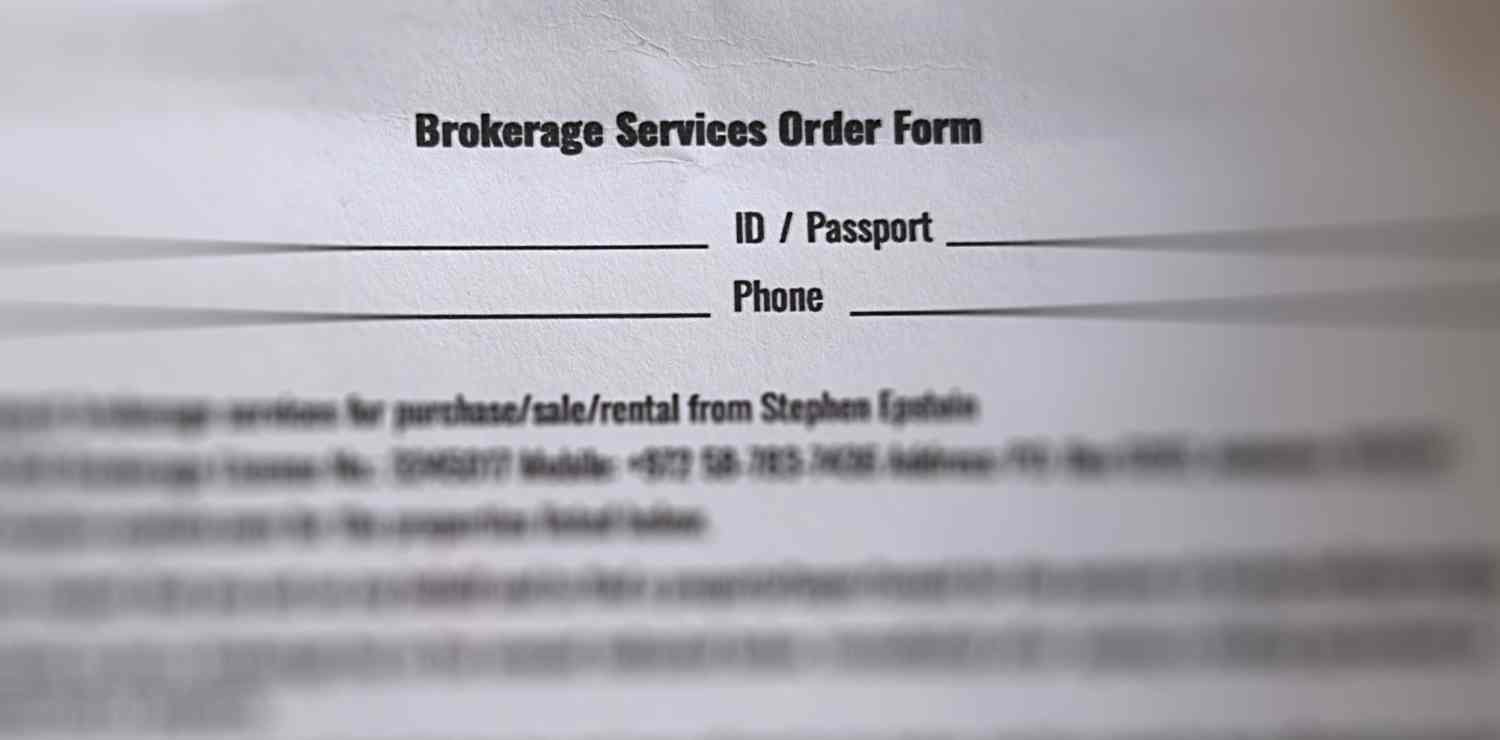
In Israel’s fast-moving real estate market, it is common for buyers and renters to be asked to sign a “Request for Brokerage Services” form before being shown a property. While many people view this as a mere formality, or even an inconvenience, it is, in fact, a cornerstone of Israeli real estate law and a critical protection mechanism for both the client and the broker. Understanding why this document matters can save significant legal disputes, unexpected costs and misunderstandings.
The Legal Framework: What the Law Requires
The governing statute is the Real Estate Brokers Law, 5756–1996. Under this law, a broker is entitled to receive a commission only if several cumulative conditions are met, including:
- The broker holds a valid license
- A written brokerage agreement has been signed
- The broker is the effective cause of the transaction
The written agreement, commonly called the “Request for Brokerage Services”, is not optional. Section 9 of the law requires that the client sign a written document specifying the brokerage relationship. Without it, the broker has no legal right to collect a fee, even if they introduced the property and facilitated the deal.
Israeli courts have consistently reinforced this principle: no written agreement means no commission, regardless of good faith or prior understanding.
Why You Are Asked to Sign Before Seeing a Property
Because the law strictly conditions payment on a signed document, brokers require clients to sign the request before showing any property. This is not merely a business preference—it is a legal safeguard.
If a broker shows a property without a signed agreement, they risk losing their entire commission, even if the deal closes successfully. As a result, most brokers today will not proceed without securing this document first.
What the Document Actually Does
The “Request for Brokerage Services” is not just about payment—it defines the entire relationship between the client and the broker. By law, it must include key details such as:
- Identification of the client and broker
- Address of the property
- Type of transaction (sale or rental)
- Agreed commission rate
- Whether VAT is included
This clarity protects both sides. The client knows exactly what they are committing to, and the broker has a clear legal basis for compensation.
Why It Protects You as a Buyer or Renter
While many clients assume the document mainly benefits the broker, it also offers significant protections to the client:
- Transparency of Fees
You know in advance what commission you may be required to pay. In Israel, this is often 2% plus VAT for purchases or one month’s rent plus VAT for rentals. - Prevention of Double Commissions
Signing multiple agreements for the same property with different agents can obligate you to pay more than one commission. The form helps track and prevent this risk. - Legal Certainty
The document ensures that all terms are clear and enforceable, reducing the likelihood of disputes later. - Broker Accountability
Under the law, brokers must act fairly, disclose material information and avoid conflicts of interest. These duties arise once a formal brokerage relationship is established.
Why It Protects the Broker
The requirement also serves an important role in maintaining professionalism in the industry:
- It ensures brokers are compensated only when properly engaged
- It prevents informal or “handshake” arrangements that lead to disputes
- It reinforces ethical and professional standards under updated regulations
Common Misconceptions
“I’m just looking—I shouldn’t have to sign anything.”
In Israel, the moment you receive brokerage services (such as being shown a property), the law requires a written agreement if the broker is to be paid. Without it, the entire legal structure breaks down.
“Signing means I must buy or rent.”
Incorrect. The document does not obligate you to complete a transaction—it only governs payment if a deal is completed through that broker.
“It’s just paperwork.”
In reality, it is a legally binding contract that determines whether thousands, or even tens of thousands, of shekels will be owed.
Practical Advice Before Signing
- Read the agreement carefully—especially the commission clause
- Ensure the property being shown is clearly listed
- Verify that the broker is licensed (you can ask to see the brokers license)
Bottom Line
Signing a “Request for Brokerage Services” in Israel is not a bureaucratic technicality, it is a legal necessity rooted in the Real Estate Brokers Law. It creates clarity, enforces professionalism and protects both parties from costly disputes.
For buyers and renters, understanding this document is essential. Far from being a trap, it is a tool: one that, when used properly, ensures transparency, fairness and a smoother real estate transaction.