The Elephant in the Room: Is Ashkelon Really Dangerous?
Is Ashkelon Safe? Rockets, Sirens, and Real Risk Explained (Israel 2023–2026)
By Stephen Epstein
Many people think Ashkelon is dangerous due to rocket sirens. This data-based guide explains why Ashkelon is often safer than many popular Anglo cities in Israel.
When English speakers search for cities in Israel, one concern dominates:
“Is Ashkelon safe if it’s constantly under rocket fire?”
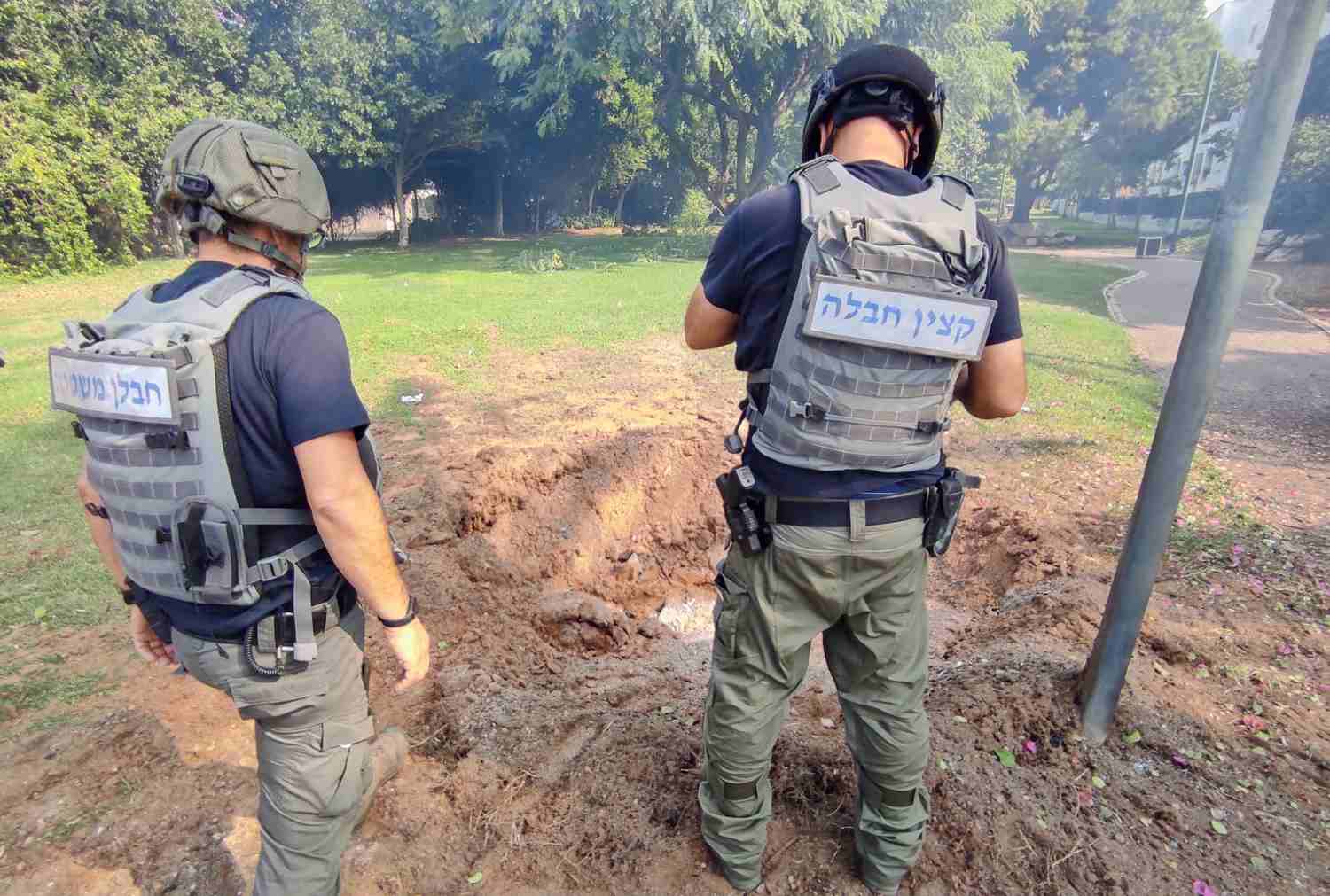
It’s a fair question. Ashkelon is frequently mentioned in news reports during conflict periods, and sirens are part of life during escalations. But when we separate perception from actual casualty data since October 7, 2023, a very different picture emerges.
This is the elephant in the room:
Ashkelon is widely perceived as dangerous — but in terms of actual fatalities from missiles and rockets, it is often safer than many popular Anglo cities in Israel.
Ashkelon Safety Overview (2023–2026)
Since October 7, Israel has experienced two main types of missile threats:
- Hamas/Gaza rocket fire (short-range, frequent sirens)
- Iranian missile barrages (long-range, strategic strikes)
Ashkelon sits in the overlap zone of perception vs reality.
Key findings:
- High siren frequency during escalations
- Very low number of confirmed fatalities from rocket impacts in the city
- No confirmed deaths from Iranian missile strikes
- Strong shelter infrastructure and interception coverage
Sirens vs Real Risk: The Biggest Misunderstanding
One of the most common mistakes when evaluating safety in Israel is confusing:
“Number of sirens” is NOT the same thing as “level of danger”
Ashkelon experienced:
- Frequent alerts due to proximity to Gaza
- High public awareness and media coverage
- Strong early-warning coverage
But since 2023:
- Most rockets are intercepted
- Many fall in open areas
- Civilian fatalities remain very low relative to alert volume
Result: high disruption, low mortality
Where Fatal Risk Actually Concentrates in Israel
While Ashkelon is often associated with rockets, the actual fatality distribution in recent escalations tells a different story.
Iranian missile phase (2024–2026)
- Most fatal impacts occurred in central Israel
- Cities such as:
- Tel Aviv region
- Ramat Gan
- Petah Tikva corridor
- Bat Yam
These are dense urban areas with high Anglo populations.
Key point:
Iranian missiles are less frequent, but more lethal when they hit urban centers.
Gaza rocket phase (Ashkelon’s main exposure)
- High frequency of alerts
- Mostly intercepted or non-lethal impacts
- Very limited fatalities in Ashkelon since Oct 7
Key point:
Ashkelon experienced noise and disruption more than casualties
Ashkelon vs Popular Anglo Cities (Real Safety Comparison based on Iranian missiles)
| City | Interpretation | |
| Petah Tikva | Very high shelter exposure | |
| Rishon LeZion | Very high exposure | |
| Bat Yam | High exposure | |
| Tel Aviv | High but distributed | |
| Jerusalem | Medium-high, uneven by district | |
| Rehovot | Medium | |
| Netanya | Medium | |
| Ra’anana | Medium-low | |
| Herzliya | Medium-low | |
| Kfar Saba | Medium-low | |
| Ashkelon | Low exposure |
Why Ashkelon Feels Worse Than It Is
Ashkelon’s reputation is shaped by three psychological factors:
-
Visibility bias
Sirens are loud, frequent, and heavily reported.
-
Geographic proximity
Being near Gaza means it is always part of the national conversation.
-
Early-war imagery
October 7 coverage strongly associated southern Israel with danger.
But in practice:
Visibility is NOT lethality
Infrastructure Matters More Than Perception
Ashkelon has significantly improved civil defense infrastructure:
- Widespread protected rooms (Mamad/Mamak)
- Rapid alert systems
- High Iron Dome interception coverage in the region
- Short response-time shelter network
This dramatically reduces casualty rates even during escalations.
The Investment Reality (Important for Anglos)
For English-speaking buyers considering Israel real estate:
Ashkelon offers:
- Lower property prices than Tel Aviv / central Israel
- Strong infrastructure improvements
- High supply of modern apartments
- Historically low fatality rates despite frequent alerts
Meanwhile, many “safer-feeling” cities:
- Have higher property costs
- Experienced higher-impact missile events in central Israel
- Are more exposed during strategic escalation phases
Final Conclusion
The key takeaway is simple but counterintuitive:
Ashkelon is not a high-fatality city — it is a high-alert city.
Since October 7, 2023:
- Rocket sirens are frequent
- Fatalities remain very low
- Iranian missile strikes have not caused confirmed deaths in the city
- The highest lethality in Israel has been concentrated in central urban zones, not Ashkelon
Bottom Line for English Speakers in Israel
If you are evaluating where to live based on safety:
- Ashkelon has high alerts, LOW casualty risk
- Central Gush Dan cities = lower alerts, HIGHER strategic strike exposure
- Anglo suburbs vary widely, but many “quiet” cities are not necessarily lower risk in escalation scenarios