Is Buying an Ashkelon Apartment for Pinui Binui a Good Investment?
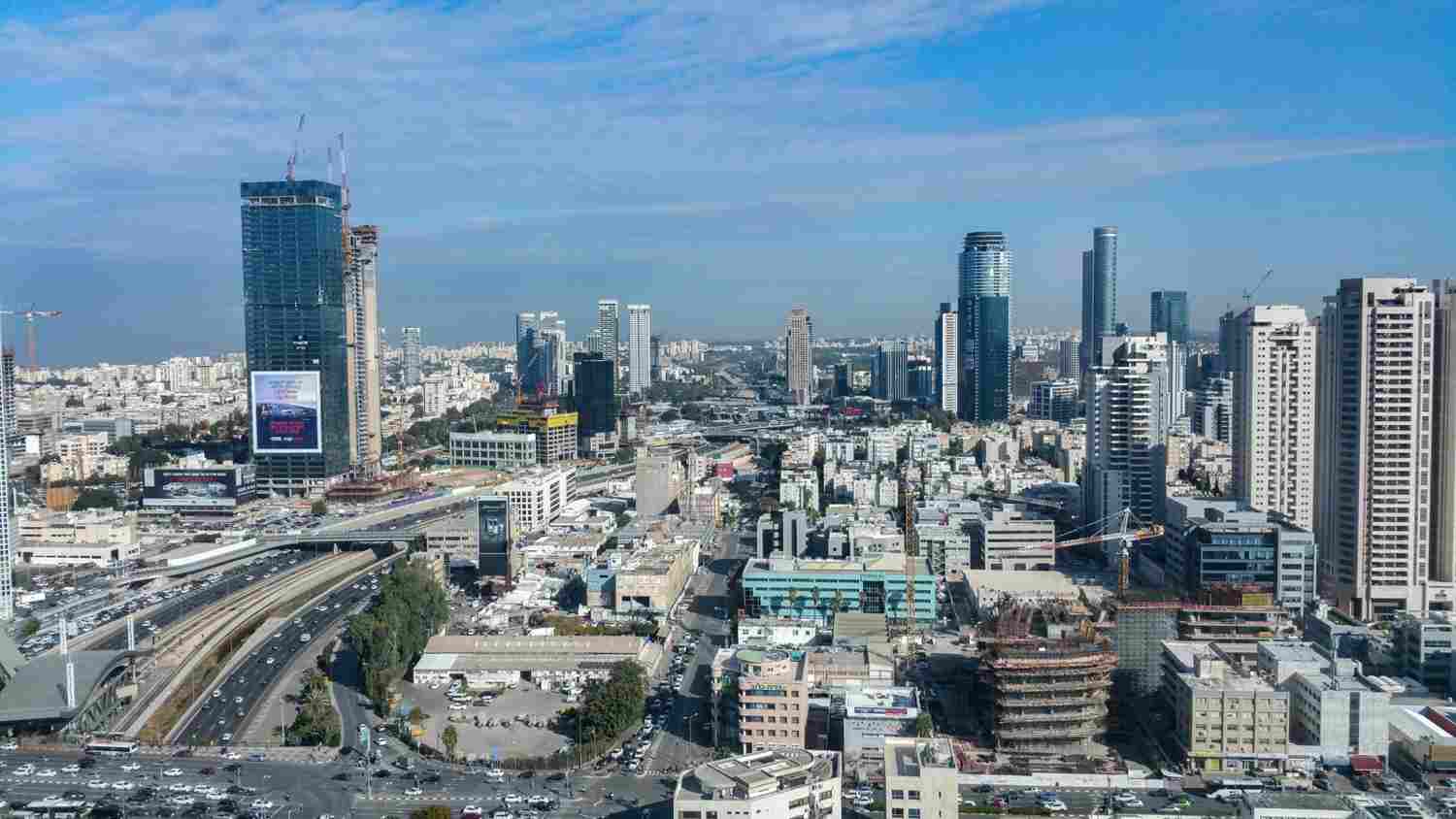
Pinui Binui (פינוי בינוי) is an Israeli urban renewal process that means “evacuation and rebuilding.” It involves demolishing older residential buildings—typically low-rise structures from the 1950s–1980s—and replacing them with new, modern buildings that are larger, safer, and more efficient. Property owners in the original buildings temporarily move out while a developer constructs the new project, and then return to upgraded apartments. These new units are usually bigger and include features like a safe room (mamad), balcony, elevator access, and often parking. The developer finances the project by increasing the number of apartments and selling the additional units on the open market.
While the concept is straightforward, the process is complex and can take many years to complete. It requires agreement from a large majority of residents, coordination with developers, and approvals from municipal and national planning authorities. Not all projects move forward, and some can stall for long periods or never materialize at all. For homeowners, Pinui Binui can significantly increase property value and living quality, but it should be viewed as a long-term opportunity rather than a guaranteed outcome.
Buying an apartment that may undergo Pinui Binui (urban renewal demolition and rebuild) can be very attractive—but it’s also one of the most misunderstood real estate strategies in Israel. It can deliver exceptional upside, but only under the right conditions and with a realistic understanding of the risks and timeline.
What Is the Investment Thesis?
The idea is simple:
- You buy an older, relatively inexpensive apartment
- The building is eventually demolished and rebuilt
- You receive a new, larger apartment in a modern building
The value increase can be substantial:
- New apartment value often significantly exceeds old unit value
- Additional square meters, balcony, parking, elevator, security room
Potential Upside
In successful projects:
- Value increase: often 20%–50%+ over time
- Improved liquidity (new apartment is easier to sell)
- Ability to “upgrade” location quality without paying full market price upfront
In cities like Ashkelon, this can be particularly appealing in:
- older neighborhoods near the coast
- areas targeted for municipal renewal
The Reality: It’s Not Guaranteed
This is where most investors get it wrong.
Pinui Binui is not a plan—it’s a process with many failure points
Key Risks
1. Timeline risk (the biggest issue)
- Projects can take 8–15 years (or more)
- Many never happen at all
During this time:
- You earn regular rental yield only
- Your capital is tied up
- You carry uncertainty
2. No certainty of approval
A project requires:
- High percentage of owner agreement
- Developer commitment
- Municipal approval
- Economic feasibility
If even one of these fails:
The project stalls indefinitely
3. Changing terms
Even if a project progresses:
- Developer offers may change
- Apartment size additions may shrink
- Timelines may extend
4. Opportunity cost
While waiting:
- Your capital is locked in a low-yield asset (~2–3%)
- Alternative investments may outperform significantly
Investment Profile
When it works well
- You buy at a clear discount to market
- The project is already:
- advanced (signed developer, plans submitted)
- Area has:
- strong municipal support
- multiple nearby successful projects
In this case, risk is reduced and upside is more visible
When it’s risky
- Early-stage “rumors” of Pinui Binui
- No developer or signed agreements
- Fragmented ownership
- Weak economic feasibility
In these cases, you are speculating, not investing
Ashkelon-Specific Considerations
Ashkelon has:
- Some urban renewal potential
- But less pressure and demand than central Israel
This means:
- Projects can take longer
- Economic viability is more sensitive to market conditions
- Not every neighborhood will justify redevelopment
Compare to Standard Rental Investment
| Strategy | Risk | Return Type |
|---|---|---|
| Standard rental | Low–moderate | Stable income (~2–3%) |
| Pinui Binui (early) | High | Speculative capital gain |
| Pinui Binui (advanced) | Medium | Mixed income + upside |
Pinui Binui is not a yield strategy—it is a long-term optionality play
You are effectively buying:
- a normal rental property
- a free (but uncertain) upside option
Practical Investment Rules
If you’re considering it:
- Don’t overpay “because of future potential”
- Assume the project may never happen
- Evaluate the property as a standalone rental investment first
- Treat Pinui Binui as a bonus, not the core justification
Final Conclusion
Buying for Pinui Binui can be a good investment only if approached correctly:
- As a long-term hold
- With conservative expectations
- And without relying on the project to justify the purchase price
The smartest investors don’t buy because of Pinui Binui—they buy a good deal even without it, and let redevelopment be the upside.