Renting for the Long Term: How to Protect Yourself in a Shifting Ashkelon Real Estate Market
Renting an Ashkelon apartment for the long term used to feel relatively straightforward: find a place you like, sign a lease, and settle in. But today’s market is more complicated. Many property owners are not traditional long-term landlords, they are investors navigating uncertainty. Some are holding onto newly purchased apartments while waiting for prices to rise before selling, while others assumed real estate values would only go up and are now stuck in a downturn. Some purchased apartments when mortgage rates were lower. For tenants, this creates both opportunity and risk.
Understanding your landlord’s mindset is just as important as evaluating the apartment itself. If an owner is waiting for the sales market to rebound, your tenancy may be seen as temporary from the start—even if you’re planning to stay for years. That doesn’t mean you shouldn’t rent the property, but it does mean you should go in with your eyes open and protect your position.
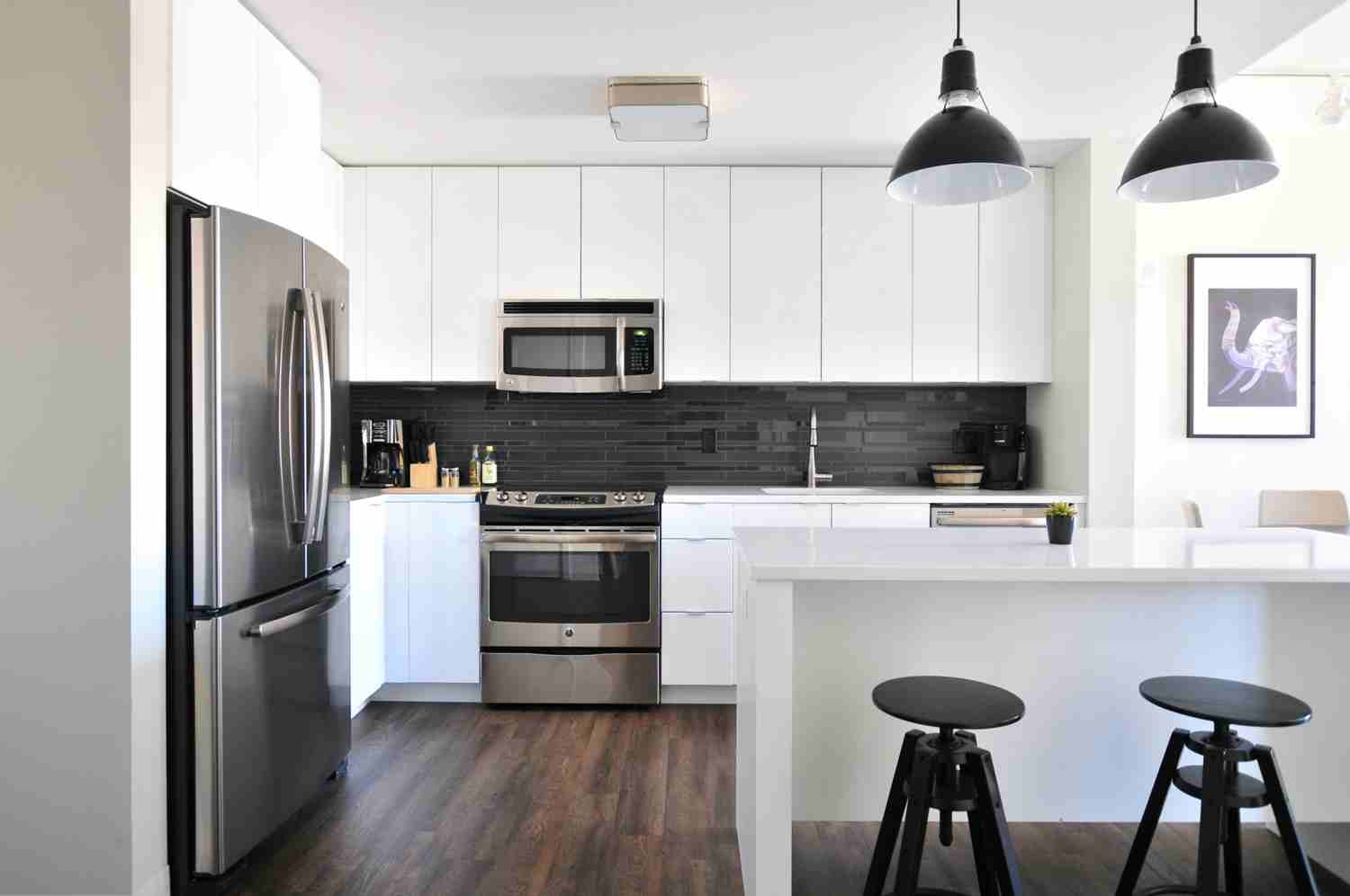
One of the first things to look for is how “settled” the apartment feels. A fully equipped apartment with glass shower and bath enclosures and lighting fixtures and kitchen appliances can signal an owner who expects stable tenancy. By contrast, minimally furnished or hastily finished apartments can suggest a short-term holding strategy. If the owner recently purchased the property and hasn’t invested much into it, there’s a chance they are waiting for the right moment to sell.
It’s also worth asking direct, but tactful, questions. You can inquire why the owner is renting out the apartment and how long they expect to hold it. While not every landlord will be fully transparent, their answers (or hesitation) can reveal a lot. An owner who speaks in vague terms about “seeing how the market goes” may not be committed to keeping tenants long term.
The lease agreement itself is your strongest protection. If you’re looking for stability, insist on clear renewal terms or an option to extend at predefined conditions. Without that, you may find yourself facing unexpected non-renewal just as the market begins to heat up again. In some cases, negotiating a longer initial lease, even at a slightly higher rent, can be worth it for the security it provides. In the case of a long lease, what are you agreeing to regarding increases in rent? Is it a fixed amount of three percent or a fixed Shekel increase, for example, or is your landlord going to base the increase on a published cost of living index? Your lease will also likely specify details about the landlord or agents visiting the apartment and how much notice you are to receive before a visit.
Another key detail is whether the property is actively listed for sale or could be listed soon. Even if it’s not currently on the market, signs such as recent renovations aimed at boosting resale value, frequent visits by brokers, or unusually flexible showing requests can indicate future plans to sell. In such cases, clarify what happens to your lease if the property changes hands. In some cases, a landlord might specify that a new owner must honor an existing lease, enabling you to finish the portion of the lease remaining in your contract.
Financial pressure on the landlord is another factor to consider. Owners who over-leveraged themselves or are struggling with mortgage payments may decide to sell quickly if conditions improve…or if they worsen. While this doesn’t automatically affect you, it increases the likelihood of sudden changes. You can sometimes pick up on this through small clues: urgency in closing the deal, reluctance to commit to long-term terms, or an unusually strong focus on rent increases.
On the positive side, this environment can also work in your favor. Landlords who are “stuck” with a property may be more flexible on rent, improvements, or lease terms. If you present yourself as a reliable, long-term tenant, you may be able to negotiate better conditions than in a hot market. Stability has real value to an uncertain owner.
Finally, don’t overlook the importance of documentation and inspection. Make sure you is thoroughly check the apartment before you move-in and that any issues are recorded in writing. In a market where ownership intentions may shift, having everything clearly documented protects you if disputes arise later—especially if the property is sold.
Renting long term today isn’t just about choosing the right apartment; it’s about choosing the right situation. By understanding the pressures and motivations facing property owners, you can better assess whether a rental is truly a home—or just a temporary stop in someone else’s investment strategy.