Nechama Group
During a shiva, mourners often need help with practical tasks such as preparing meals, arranging Minyanim, or managing the household. Emotional support, a listening ear, and simply being present can also provide great comfort during this time of grief.
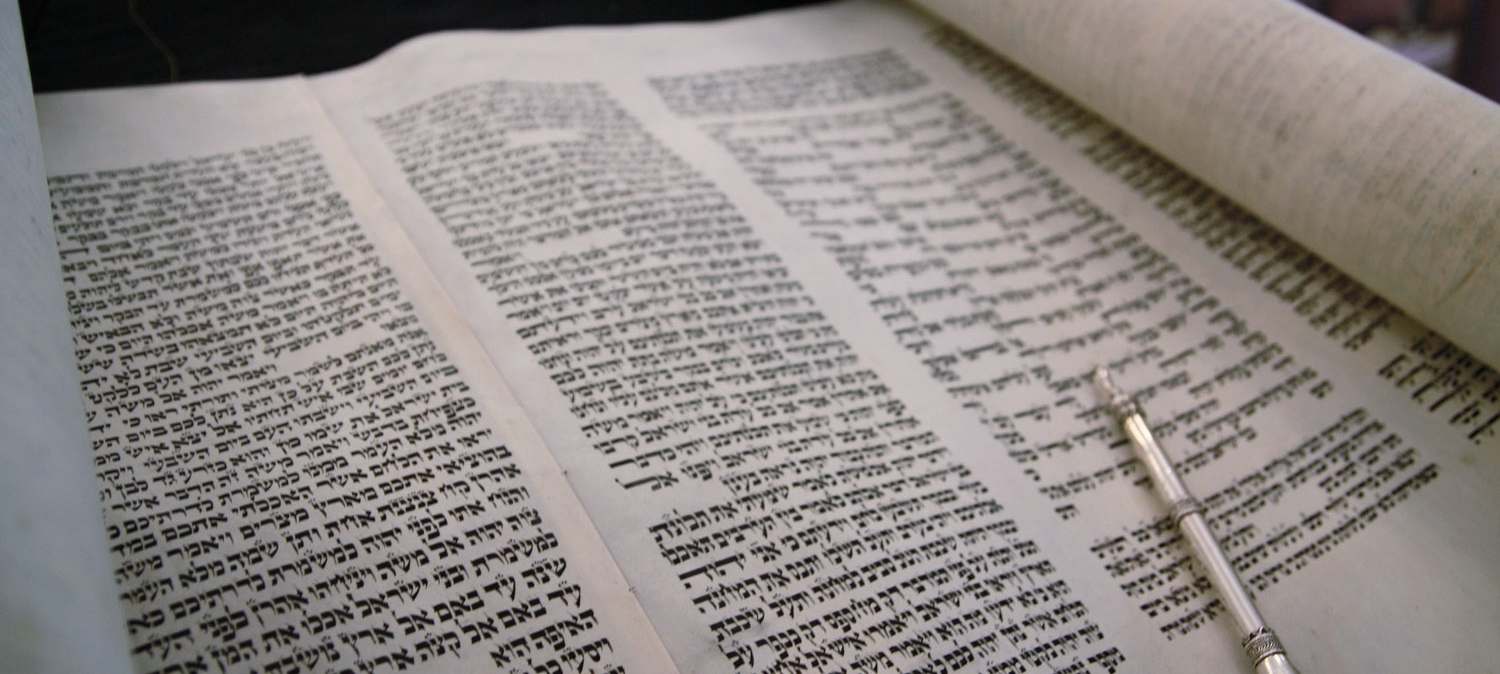
Recently a Nechama group was started to help anyone who is sitting shiva. The group will arrange for a Sefer Torah, chairs, Siddurim, help in organizing a Minyan and a meal train. Someone needs to alert the group and let them know the date, time and location of the funeral and what Shiva arrangements are needed.
If a meal train is required, please let the group know how many people need to be fed and if there are any food allergies or preferences.
A Summary of Halachot for an Onen
In Jewish law (halacha), an Onen is a person in the immediate period between the death of a close relative and the burial. This is a unique and intense time of mourning with specific halachic obligations and restrictions. The laws apply to mourners for the following close relatives: father, mother, son, daughter, brother, or sister.
Here are the primary halachot (laws) of an Onen:
1. Obligation to Focus on Burial
- The Onen is exempt from performing positive mitzvot (like prayer, tefillin, blessings) because their sole obligation is to ensure the burial happens quickly and respectfully.
- This includes not reciting blessings, Shema, or praying.
- Once the burial is completed, the person ceases to be an Onen and becomes an Avel (mourner), at which point regular mourning laws (shiva) begin.
2. Prohibited Activities
- An Onen may not eat meat or drink wine.
- They should not perform work (melacha), though this depends on communal custom and urgency.
- They do not participate in Torah study (unless it’s directly related to burial or mourning).
- They are generally not allowed to leave the body unattended, known as shemirah—guarding the deceased is an important responsibility.
3. Handling of Mitzvot
- Negative mitzvot (like not eating non-kosher food) still apply.
- Tallit and tefillin are not worn, even on weekdays. This is out of respect and because the Onen is preoccupied with the deceased.
- On Shabbat, an Onen may perform mitzvot privately, especially if they are no longer involved in burial arrangements.
4. Onen on Shabbat and Yom Tov
- On Shabbat, public mourning halachot are suspended, but the Onen is still not obligated in most mitzvot if the burial hasn’t happened yet.
- On Yom Tov, if the burial will not take place until after the festival, many opinions hold the Onen status is suspended, and they are considered a regular festival participant.
The status of Onen is temporary, usually lasting only until the burial. It’s a halachic recognition of intense grief and the religious imperative to care for the deceased with dignity and speed. Once burial takes place, the laws of Shiva begin.